A Pediatrician’s Prescription for Prevention in a Changing Climate
By: Haley Yarborough
Patricia Notario, MD, grew up at a dinner table where science and social responsibility were inseparable. Her parents, scientists originally from Spain and Peru, filled their home with conversations about research, curiosity, and global responsibility. “I grew up actually speaking Spanish… and then learning about all this scientific work at the dinner table,” Notario recalls. That early immersion planted the seeds for a lifelong commitment to service-oriented medicine. Now a pediatrician at Billings Clinic and the vice president—and incoming president—of the Montana Chapter of the American Academy of Pediatrics, Notario views her work not simply as a profession, but as a calling. Her education reinforced that ethic. After attending a mission-driven K–12 school that embedded community service into the curriculum, she carried that ethos to Georgetown University and medical school. “They’ve inspired me to look beyond my job and see it really as a vocation,” she says. That philosophy underpins her approach to pediatrics. Notario values the honesty and resilience of children, but she also sees pediatrics as uniquely positioned for advocacy. “I see the role of a pediatrician as advocating for children and their families,” she explains, noting that long-term relationships allow physicians to support families from pregnancy through adolescence. Caring for a child, she says, means caring for an entire family—and, by extension, the broader community. Advocacy, for Notario, operates on multiple levels. It begins in the exam room but extends outward through partnerships with schools, support groups, and policymakers. She points to a successful Montana legislative effort that allows parents of children with medical complexity to be compensated for caregiving.
“Pediatricians know how to bring people together and partner, because that’s what we do in the office—so why not do it outside of the office?” she said. Increasingly, that advocacy includes climate and environmental health. While climate change may feel abstract or overwhelming to some families, Notario frames it through prevention—a core principle of pediatrics. “Ultimately, our goal is to be proactive and promote health stability through prevention,” she explains. Clean air, safe places to play, nutritious food, and green spaces are not luxuries, she says, but foundational to children’s health. In Montana, where wildfires, heat waves, and air pollution are increasingly common, those connections are tangible. Notario integrates climate conversations organically into clinical visits—often through discussions about asthma, nutrition, or physical activity. “Finding relevance is the best way to help families feel confident,” she says, emphasizing small, practical actions like walking to school, biking, or improving indoor air quality. Beyond the clinic, Notario helps guide statewide efforts through the Montana Chapter of the American Academy of Pediatrics, collaborating across healthcare disciplines and elevating climate-related education. She believes lasting change comes from shared responsibility. “We really don’t live in isolation,” she says. “Being aware and connecting with others who are also aware of the community and what it could be can help drive action.” Her message is ultimately rooted in care for place, for community, and for future generations. “Children are worth fighting for,” Notario says plainly. “We, as grown-ups, are positioned in a place where we could really lift up the voices of youth.”
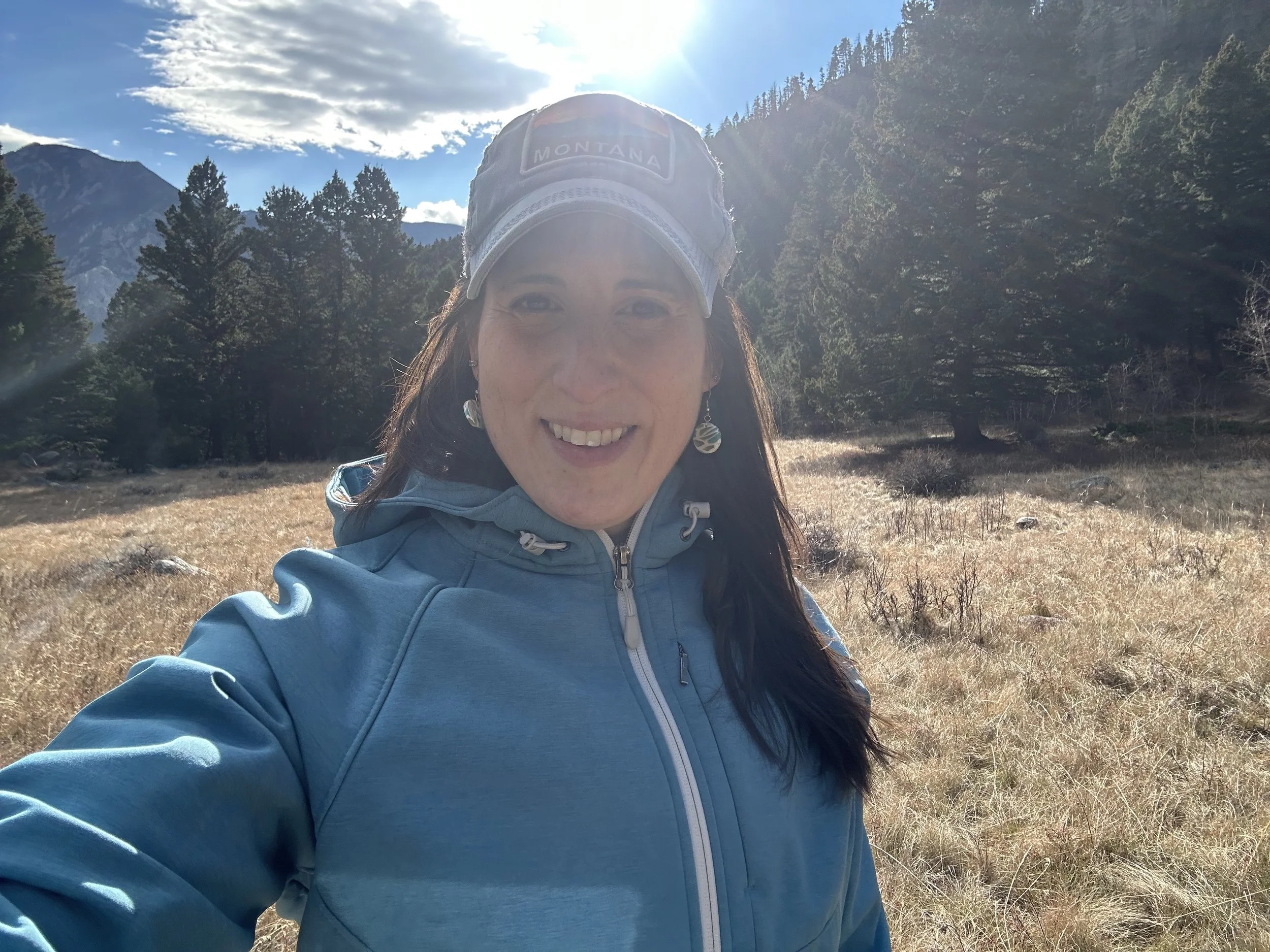
Photo of Patricia Notario
About the Author: Haley Yarborough is University of Montana Master's Student studying Environmental Writing in Missoula, Montana. She is also an intern for Montana Health Professionals for a Healthy Climate, a nonprofit dedicated to telling stories about the intersection between health and climate. Haley enjoys trail running, baking, and writing creative fiction on her free time.